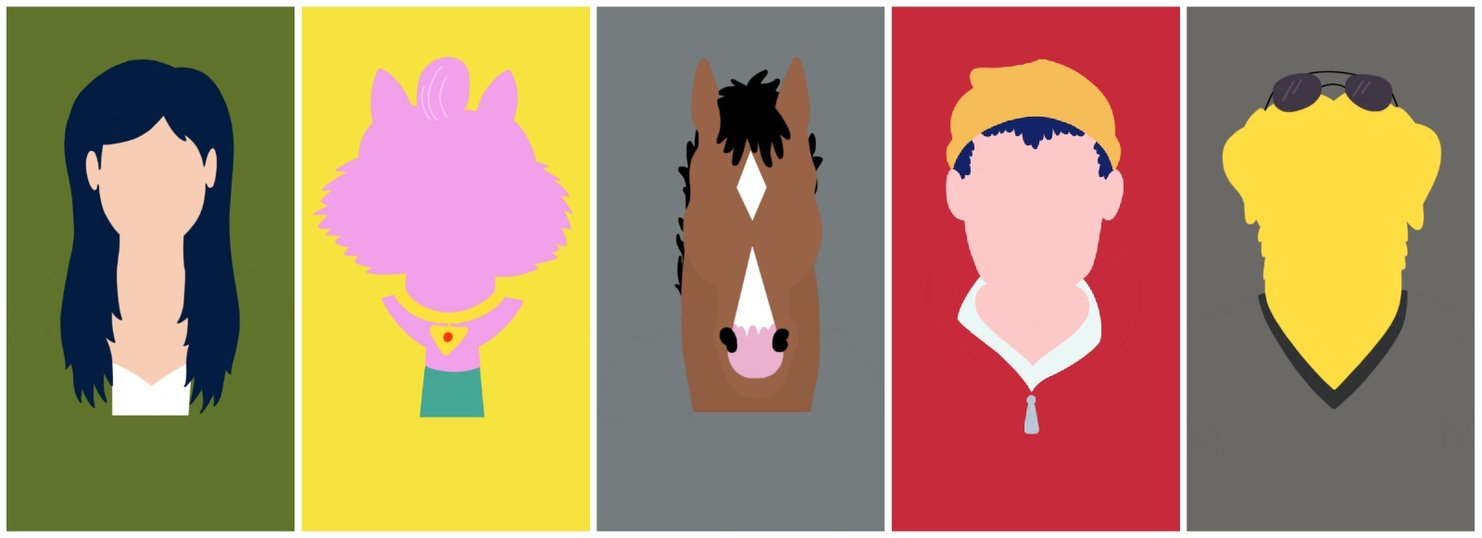
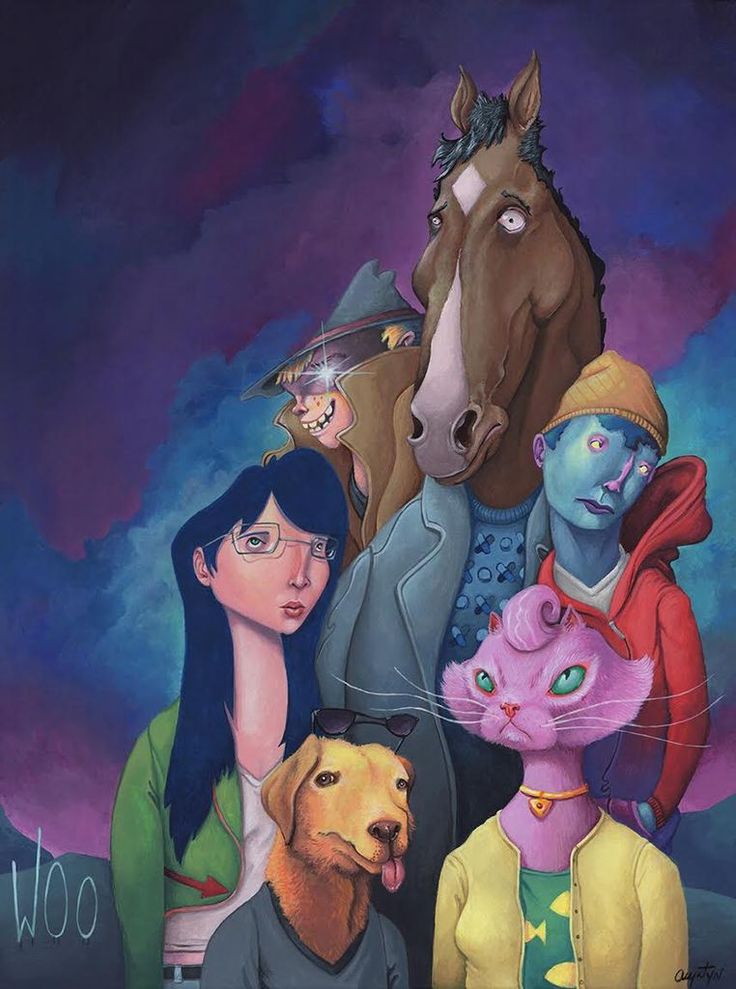
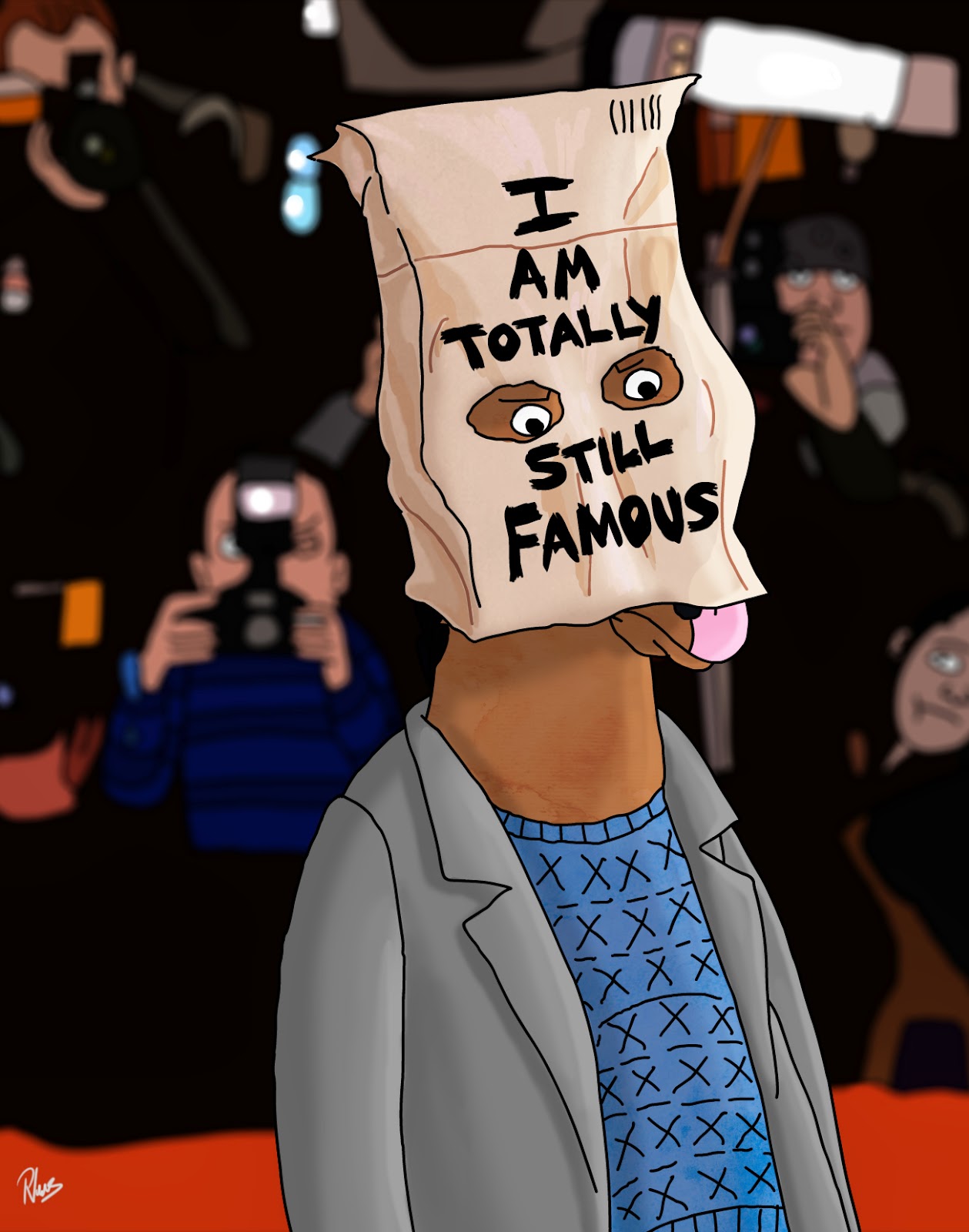
Why is Bojack Horseman just not that good the first time around?
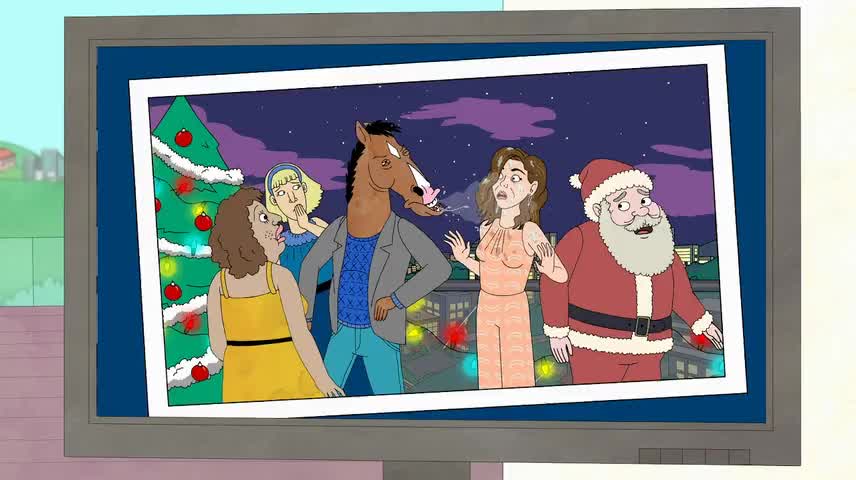
The Bojack Horseman Story starts in what literature often calls in medias res, or "in the middle of things". We are not soHeaderduced to Bojack. There is no shaded lens of his childhood or personal relationships for us to understand him through. We just get him- for what he is- and it's not looking good.
Unlike many of the main characters in TV shows, Bojack isn't particularly captivating. He isn't a high school teacher who gets wrapped up in selling meth to support his family, nor is he out to avenge his long-lost father. He just seems to sit around the house and fall through on most, if not all, of his responsibilities- not even in a way that helps develop his character as a quirky messy klutz or a loudly bored cynic. Everything about his melancholy defensive sedated state seems very genuine and private, much like of that in our real lives.
And through the first time watching the Bojack series, this sentiment doesn't really change. Sure, we learn more about Bojack, his dilemmas and the people standing within the damage-radius. But with all the new random storylines, events and character episodes, we are less able to digest the true beauty and connectability of the show. It is not until end, when you have finally left medias res, that you can start to enjoy the show in a different light. Bojack Horseman is a funny, stubborn and all-too-true show that connects to some of humanity's most darkest and hilarious tendencies. Watching Bojack a second time does and means something different to each person that watches it. Therefore, I cannot tell you which glorious revelation that you'll experience from watching it again, but what I can tell you is that it'll surely be a different story that you see.
Art Gallery